A principal from David Baker + Partners Architects looks at what strategies work—and which ones don't—when it comes to making affordable housing more efficient.
This 60-unit affordable apartment building anchors a LEED-ND Gol…
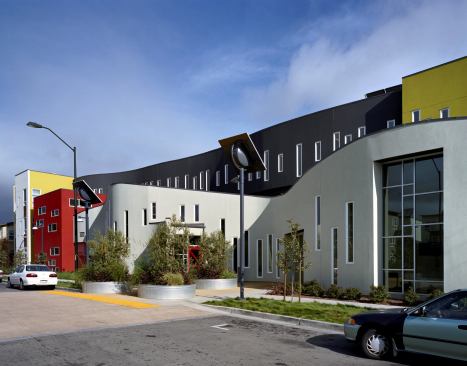
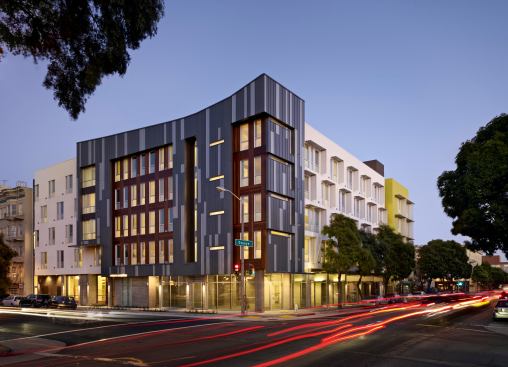
This 60-unit affordable apartment building anchors a LEED-ND Gold neighborhood bridigng industrial and residential parts of Oakland, Calif.
Brian Rose
This supporting housing with an on-site clinic at Tassafaronga V…
This supporting housing with an on-site clinic at Tassafaronga Village is an adaptive reuse of an abandoned pasta factory. Ninety-three percent of the original building was reused and 94 percent of the construction waste was diverted from landfill.
Brian Rose
In April 2007, Folsom + Dore Supportive Apartments became the fi…
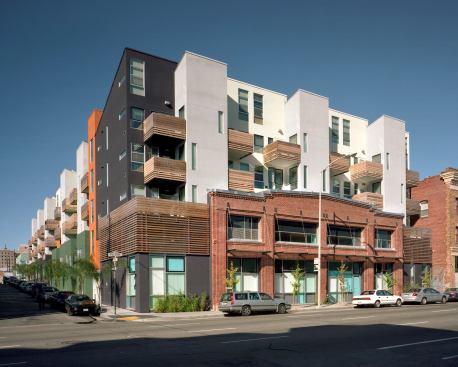
In April 2007, Folsom + Dore Supportive Apartments became the first LEED Silver-certified building in Northern California.
Bruce Damonte
Compact units with low- and no-VOC interiors make for healthy, a…
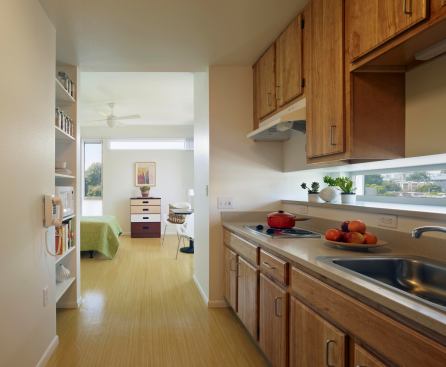
Compact units with low- and no-VOC interiors make for healthy, affordable units at Richardsoon Apartments.
Brian Rose
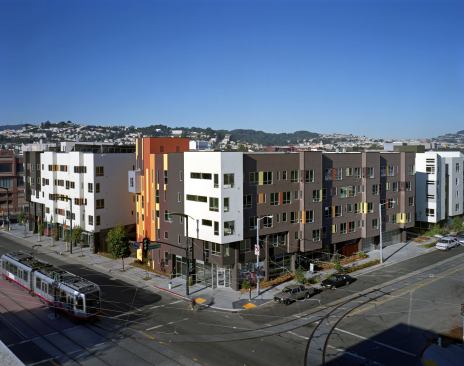
Transit-oriented urban infill projects, such as Armstrong Place …
Transit-oriented urban infill projects, such as Armstrong Place Senior and Family Housing, support the principles of sustainable urbanism.
David Baker + Partners
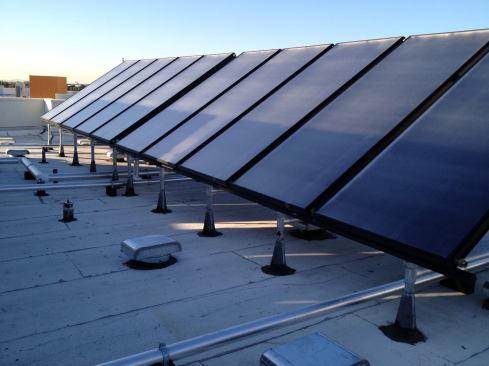
Solar domestic hot water is an effective environmental measure i…
Solar domestic hot water is an effective environmental measure in affordable housing.
Brian Rose
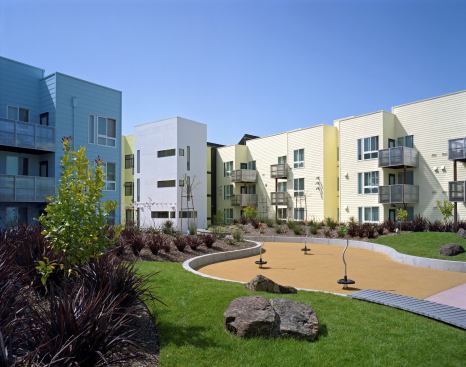
Armstrong Senior and Family Housing has small, efficient units s…
Armstrong Senior and Family Housing has small, efficient units supplemented with shared common spaces and amentities.
Brian Rose
Through a series of complementary strategies, Ironhorse at Centr…
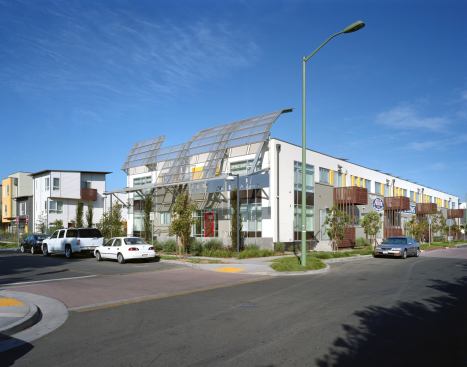
Through a series of complementary strategies, Ironhorse at Central Station, a 99-unit affordable family development in Oakland, Calif., eanred nearly three times the points required for a GreenPoint rating.
Bruce Damonte
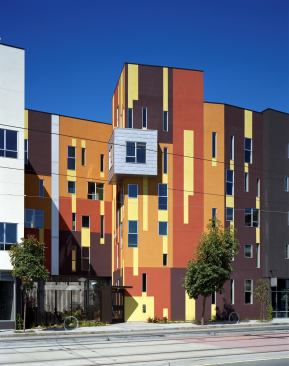
Rising on an urban infill site freed by the collapse of a freewa…
Rising on an urban infill site freed by the collapse of a freeway, Richardson Apartments provides studios for formerly homeless residents.
Brian Rose
Curran House, in San Francisco's Tenderloin District, has no par…
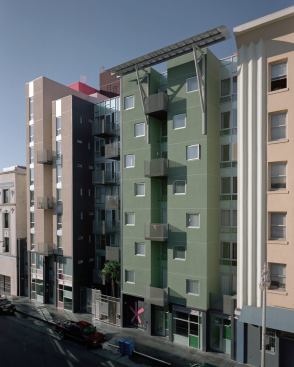
Curran House, in San Francisco's Tenderloin District, has no parking, which frees up space and money for additional homes and office space for the nonprofit developer.
Steve Proehl
Armstrong Place Senior and Family Housing fills a former industr…
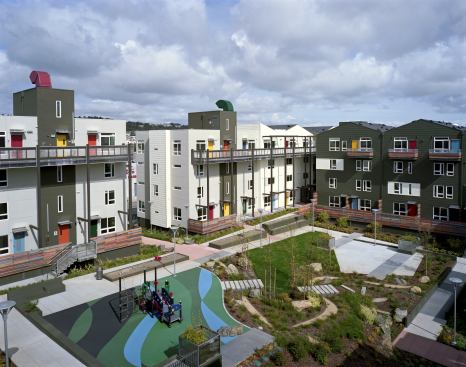
Armstrong Place Senior and Family Housing fills a former industrial city block with affordable family townhouses and adjacent senior apartments.
What Else Is Needed
Even with all of these readily available products and ideas, truly greening the nation’s affordable housing requires government intervention. In California, state and local regulations ensure a fairly high baseline of sustainable design compared to most other states. Affordable housing financing and incentives almost always come with requirements for some level of sustainable design attached, and these factors have made the state’s affordable housing stock some of the greenest in the country. Similar mandates should be adopted nationwide.
The lessons learned from affordable housing projects should encourage governments to enact legislation without fear that it will discourage development. The easy-to-implement, cost-effective green strategies that are used in affordable housing can be a catalyst for encouraging market-rate developers to employ similar strategies. In our practice, we find that if we can show benefit without added cost, we can sway even the most profit-driven developer. The biggest challenge is to raise awareness among developers, designers, builders, and policy-makers of the low-cost, practical solutions that are out there so that we can employ these solutions more widely—and to the benefit of all.
Daniel Simons, AIA, is a principal of San Francisco based David Baker + Partners Architects.