Anatomical monitoring systems play an important role in healthcare, and very small electronic devices are increasingly finding their way into the human body. A big challenge is the biocompatibility of the electronic materials, however, since they are in close contact with human tissue.
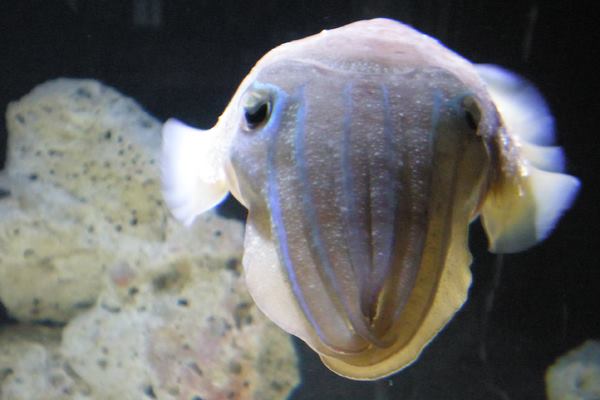
Researchers at Carnegie Mellon University (CMU) have developed a potentially safer battery material for such devices using cuttlefish ink—a benign material that can be ingested or implanted without the risks of conventional battery materials, which can be toxic and must be encapsulated.
“Using natural materials in energy storage devices increases the likelihood for use in powering devices that operate in sensitive environments such as the human body,” said Chris Bettinger, a CMU assistant professor of materials science and biomedical engineering, in a university press release.
The melanin pigments in the cuttlefish ink also offer a higher storage capacity than comparable synthetic melanin-based substances, resulting in a superior performance material that can function in hydrated environments.
“Our research shows that alternative systems that use biocompatible electrode materials with aqueous sodium-ion batteries could provide onboard energy sources for a variety of temporary medical devices including biodegradable electronic implants and ingestible systems,” Bettinger said.
Blaine Brownell, AIA, is a regularly featured columnist whose stories appear on this website each week. His views and conclusions are not necessarily those of ARCHITECT magazine nor of the American Institute of Architects.