Schematic design is the phase when ideas are still open and multiple design directions feel possible. For clients, it’s also when early decisions start carrying real weight, shaping cost, schedule, sustainability, and long-term value, often before the implications are clear. To help clients understand and choose the right direction, architects need the freedom to test ideas thoroughly—to explore widely, challenge constraints, and ask, “What if…?” to guide confident decisions about what works and what doesn’t.
Why Multifamily Projects Raise the Stakes
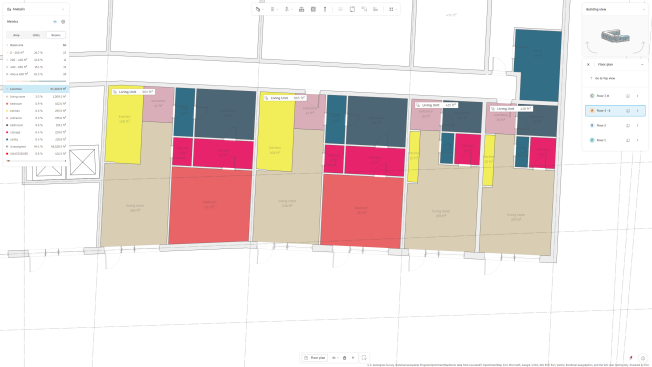
Multifamily is a perfect example. An early design choice in one area ripples through the others: Massing, unit mix, daylight, livability, density—they’re all connected. Critical questions are asked: Does this unit mix meet local market needs? How easily can floor plans be adapted or more units added without heavy revisions? Clients need to weigh tradeoffs quickly, but the relationships between them are hard to grasp from a single scheme.
Broader exploration early on helps design teams understand the design space before narrowing it. That work may not all be visible to the client, but it strengthens the proposals that get presented. Client discussions become more productive with validated options on the table that already account for code, program mix, budget, daylight, and density targets early on.
The Cost of Limited Exploration
In practice, though, early exploration often gets squeezed. Traditional schematic workflows make testing multiple ideas time-consuming—especially for small and mid-size practices working within tight fees and schedules. To keep projects moving, teams might focus on a limited number of directions early. It maintains momentum, but it also means some ideas never get explored.
And those unexplored ideas? They have a way of coming back. What looks like a costly redesign in design development often traces back to the schematic phase, when early choices were made without enough testing or comparison.
Testing More Ideas Without Adding Time
More efficient exploration can help shift that pattern. When architects can shape, iterate, and compare alternatives with less overhead, it’s easier to test a wider range of possibilities early and then narrow them strategically.
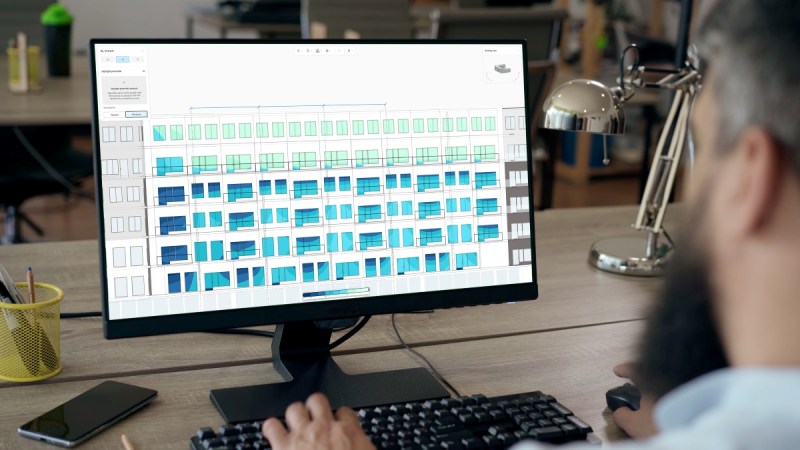
That’s where tools like Autodesk’s Forma Building Design come in. They’re designed to help teams test and compare building alternatives earlier in schematic design, without committing to complex modelling and detail upfront. By reducing the manual effort required to create and evaluate different options, architects can spend less time setting up models and more time exploring and testing how designs perform, without extending the project timeline.
The impact shows up in client conversations. When proposals are grounded in wider exploration, architects can show clients why certain options work better. Clients can clearly see tradeoffs—for example, how massing affects daylight, how layout influences livability, and how unit mixes meet performance and market targets. Instead of debating preferences, conversations center on outcomes. Questions become more focused, and decisions feel more deliberate.
Why Clarity Matters in Schematic Design
For all practices, particularly those small and mid-sized, that clarity pays off. Stronger schematic decisions protect schedules and fees, reduce late-stage revisions, and support smoother transitions into design development and construction documentation. Clients who feel confident early are more likely to stay aligned as the project moves forward.
Design exploration will always be core to architectural practice. What’s changing is the ability to approach it more efficiently and with performance insight while reducing rework and stress. When architects can test broader and narrow thoughtfully, schematic design becomes an invaluable tool for creating clarity and building client confidence from the start.
Architects interested in learning more about Forma Building Design, including joining the waitlist for early access, can visit here.