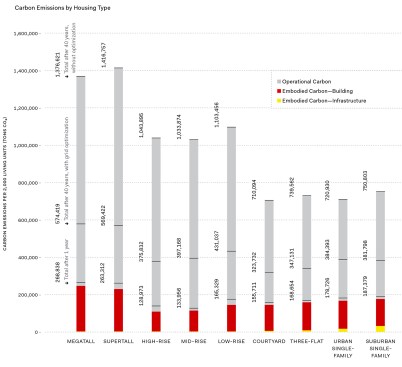
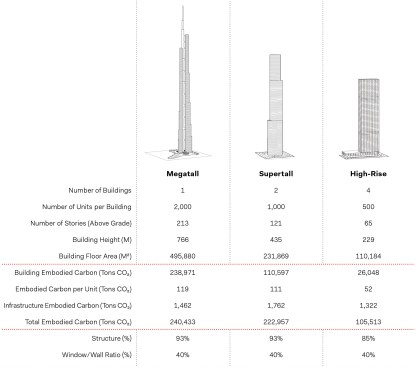
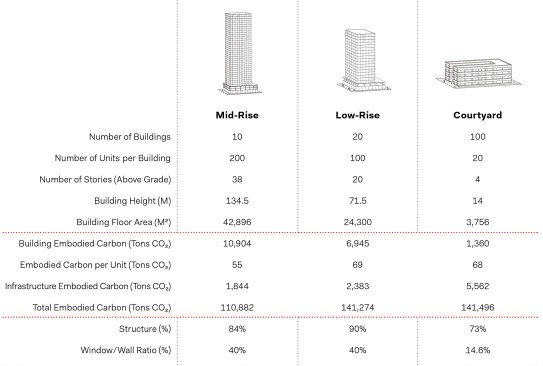
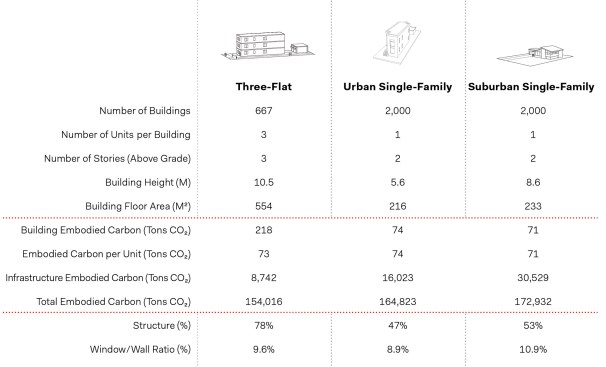
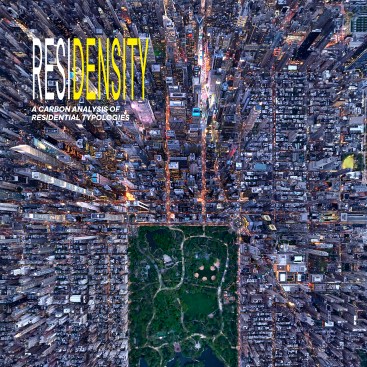
In Residensity: A Carbon Analysis of Residential Typologies, the team at Adrian Smith + Gordon Gill Architecture (AS+GG) models the embodied carbon for nine different housing typologies and for the infrastructure needed to support each. The study also looks at annual operational carbon, and extrapolates 40 years of building use at current standards. The AS+GG model anticipates energy infrastructure improvements and efficiencies over the next four decades that would result in a reduced operational carbon expenditure. In any case, the embodied carbon cost of the buildings and related infrastructure remains fixed—regardless of new efficiencies—highlighting how important the initial embodied carbon expenditure is to a building’s life-cycle carbon burden.
courtesy Adrian Smith + Gordon Gill Architecture
courtesy Adrian Smith + Gordon Gill Architecture
courtesy Adrian Smith + Gordon Gill Architecture
courtesy Adrian Smith + Gordon Gill Architecture
For more from Gordon Gill, FAIA, on how the building sector can meet critical carbon reduction targets now, and over the next 20 years, attend the CarbonPositive’20 Conference and Expo, March 2–4 in Los Angeles.
Andrew Griffiths/Lensaloft; courtesy Adrian Smith + Gordon Gill Architecture
-
The Carbon Issue
Meeting the urgent need for climate action, with decarbonization strategies for materials, design, practice, and policy.

-
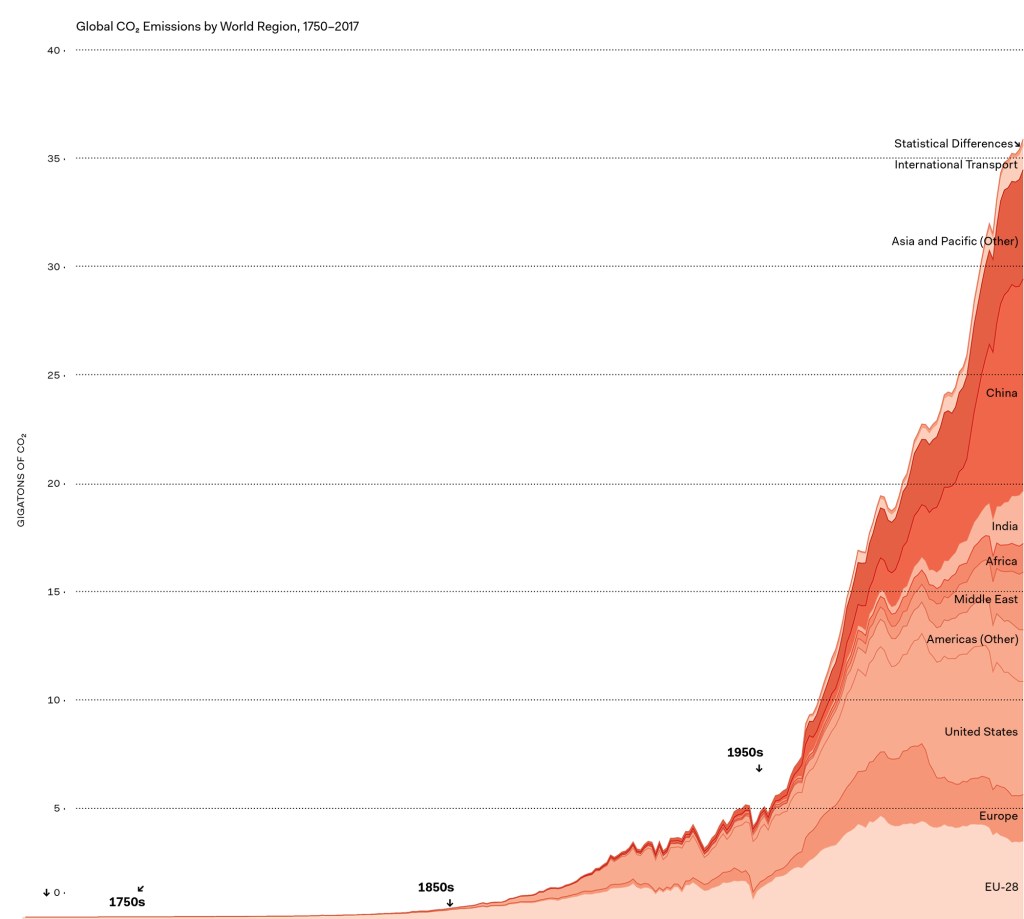
It’s Time to Quit: A Call to Action on Climate, Carbon, and the Built Environment
Adapted from the opening and closing keynotes given by Edward Mazria, FAIA, at the CarbonPositive’19 Summit in Chicago.
-
The Language of Carbon
Thinking about COPY 27, here's a refresher of seventeen terms that will help you talk the talk of carbon positive design.

-
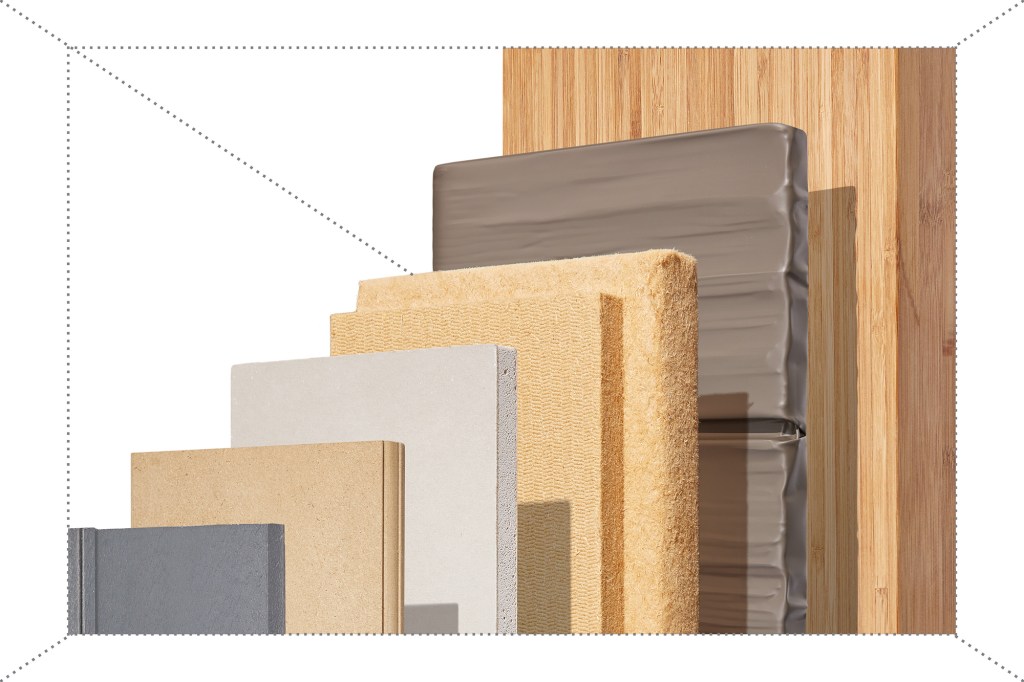
Sustainable Building Materials for Low Embodied Carbon
Here are eight of the most carbon-friendly products for roofing, cladding, insulation, and other categories—all of which are available for specification, or soon to be.
-
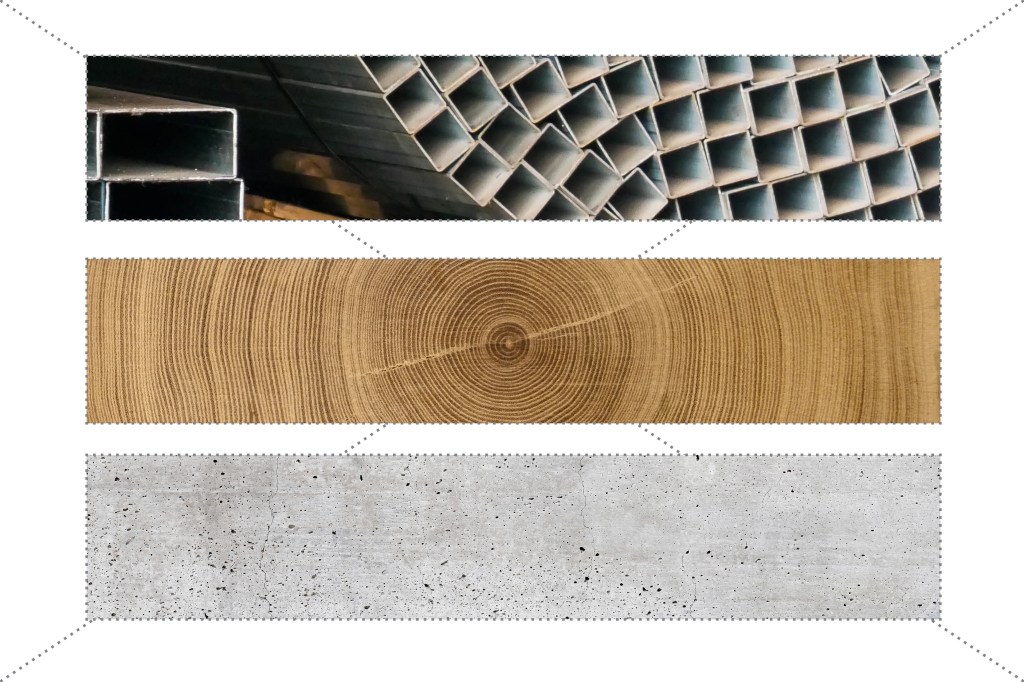
Concrete, Steel, or Wood: Searching for Zero-Net-Carbon Structural Materials
Steel and concrete predominate the U.S. commercial building market for structural materials, while engineered wood—specifically mass timber—is garnering attention for its potential embodied carbon savings and sequestration ability.
-
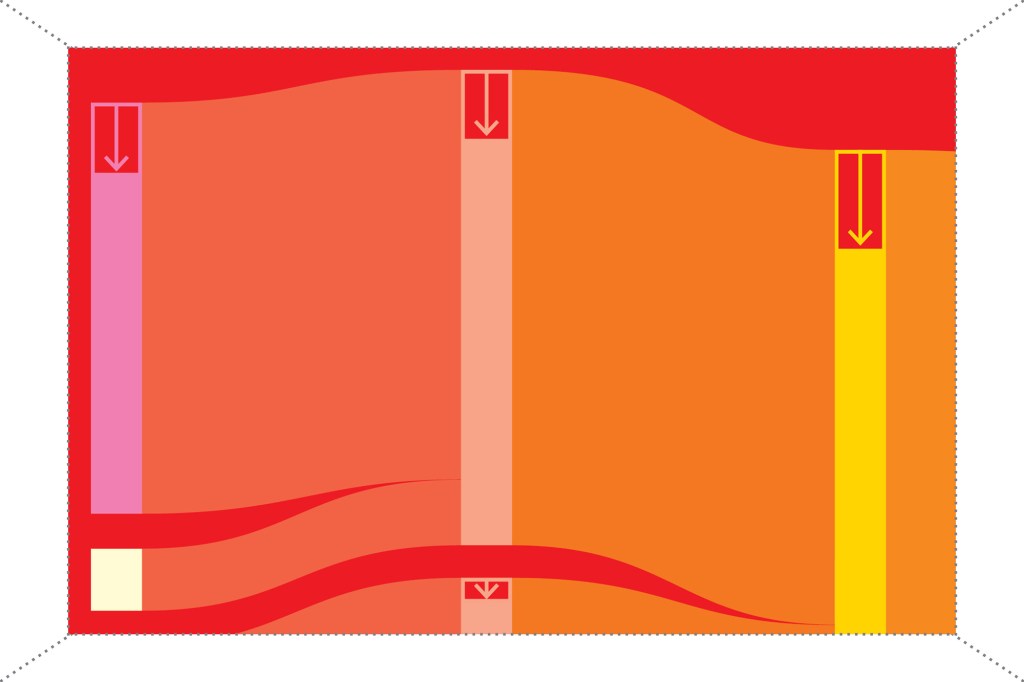
How to Measure Embodied Carbon
Here's a hand guide on some tips and tools to help determine the carbon footprint of a project or product.
-
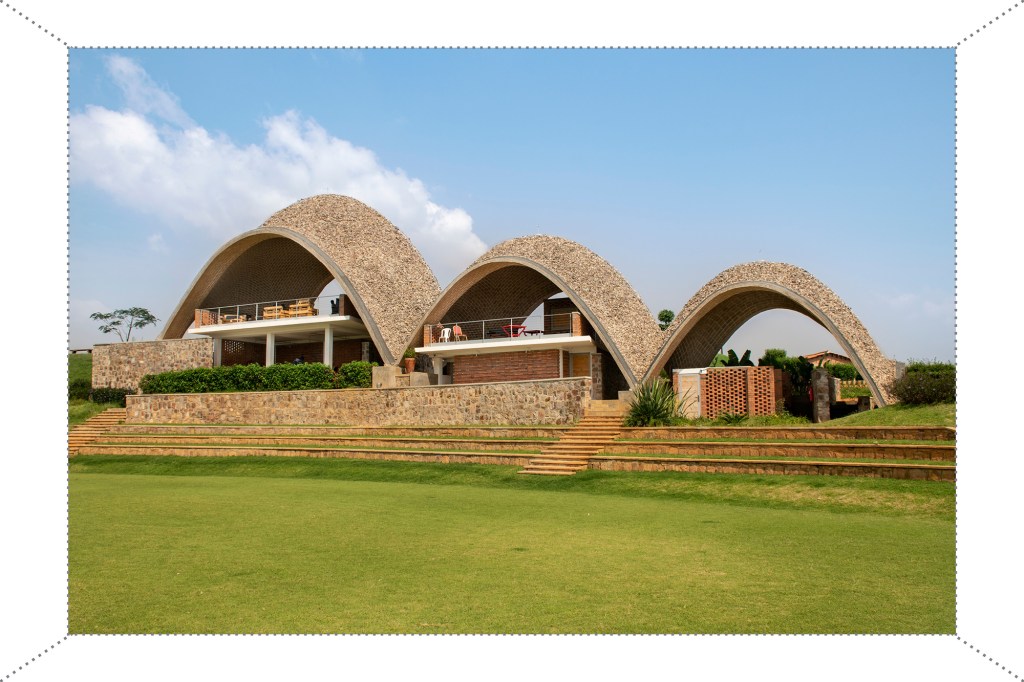
Five Construction Details to Reduce Embodied and Operational Carbon
It's time to rethink details that perpetuate the widespread use of energy-intensive materials.
-
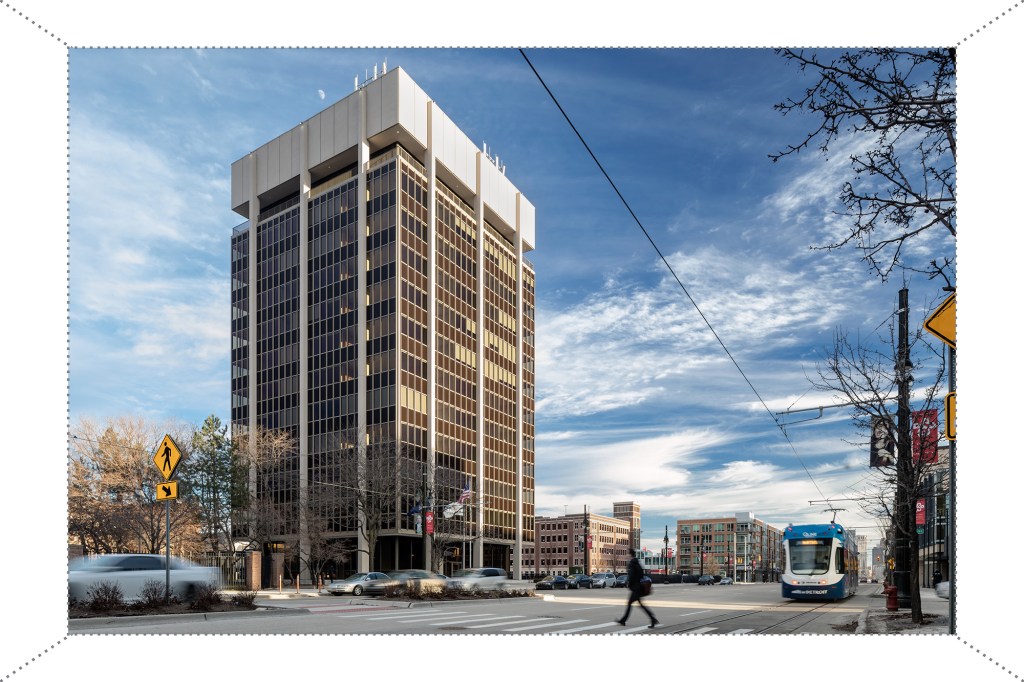
Renovation, Restoration, and Adaptive Reuse: The Understated Value of Existing Buildings
It’s not enough to design super-efficient new buildings. To reach zero-net carbon, architects have to improve performance in existing buildings, and make the most of the embodied carbon we’ve already spent on them.
-
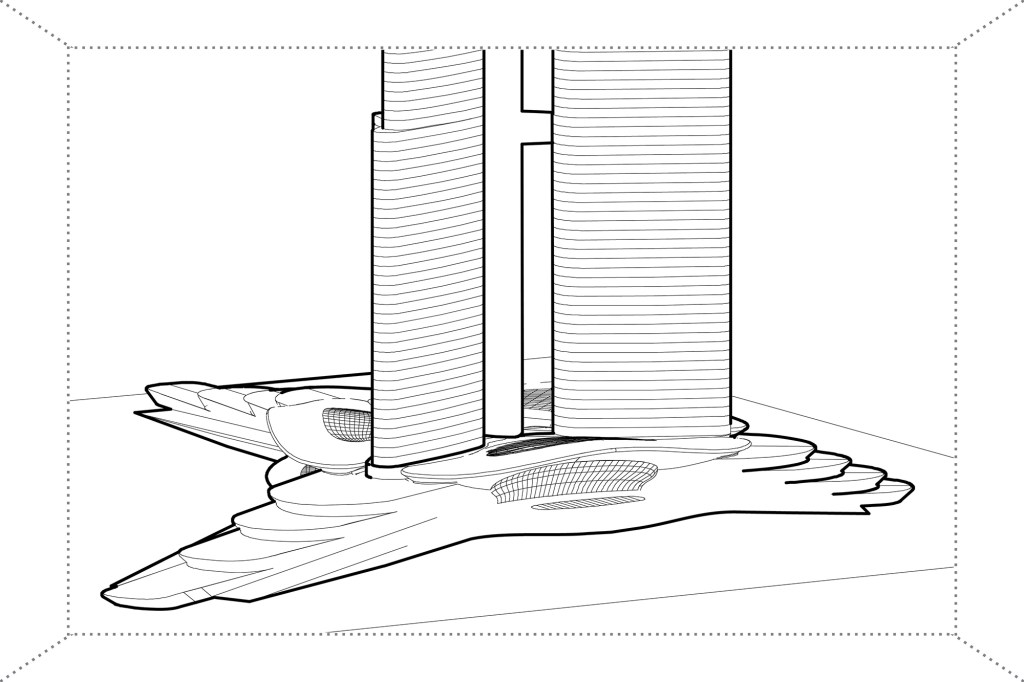
With Housing’s Carbon Footprint, Density Matters
A new e-book from Chicago-based Adrian Smith + Gordon Gill Architecture analyzes the embodied carbon and other attributes of nine housing types to uncover ideal residential densities—those that improve quality of life while minimizing their environmental impact.
-
Aim Higher: How to Transition Your Firm to Zero Net Carbon
Looking for tangible steps to committing to zero-net-carbon design? Here, three very different practices—Studio Ma, BWBR, and Gensler—share their ongoing journeys.